


Medical Office Assistant Resume

By
March 11, 2020
7 min

In This Article
You’ve put in the work, graduated from your Medical Office Assistant program and now you’re ready to start your career as a medical office assistant. But where do you start?
We’ll walk you through how to build your resume so you can land the job you want. It’s important to tailor your resume to the specific position you’re applying for so you can highlight your related strengths, training and certification. We’ll go over what skills to include, how to lay out your medical office assistant resume and some things to do after you apply. Hopefully this will help you go into the application process well informed and ready to go.
Before we go into how you can lay out your resume, let’s talk about some of the skills you should highlight. Medical office assistants use many different skills every day. Even if you’ve never worked in the field, you should be able to give relevant examples of times you’ve applied the same skills used in a medical office assistant role.
Here are the top five skills categories you should highlight in a medical office assistant resume and some examples of how you could speak to them:
There are many ways to lay out your resume so it reads clearly and highlights job-specific information. It’s always a good idea to tailor your resume to the specific role you’re applying for, so if the job is in a certain type of clinic (like sports injury or a doctor’s office), you’ll want to include skills related to that specific environment.
We’ll walk you through chronological and functional resumes, two styles that could work for your medical office assistant resume. Chronological resumes are typically better designed for applicants who’ve been working in the field for a while and have a wealth of work experience. On the flip side, functional resumes are best for new job seekers (like recent grads) who have little work experience, since this style focuses more on skills rather than work history. Both work well but if you’re a recent grad, the functional style may be better suited for you. Let’s get into it!
The chronological resume functions as a timeline of your work experience and career progression. It lays out where you were employed, what positions you had (and for how long) and the recommended length is a maximum of two pages. It does have one significant drawback: since this style lays out everything in chronological order, it really shows if you have any gaps in your work history. It’s not a major concern if you don’t have many gaps or job changes, but it’s worth thinking about.
Here’s how you can set up a chronological resume:
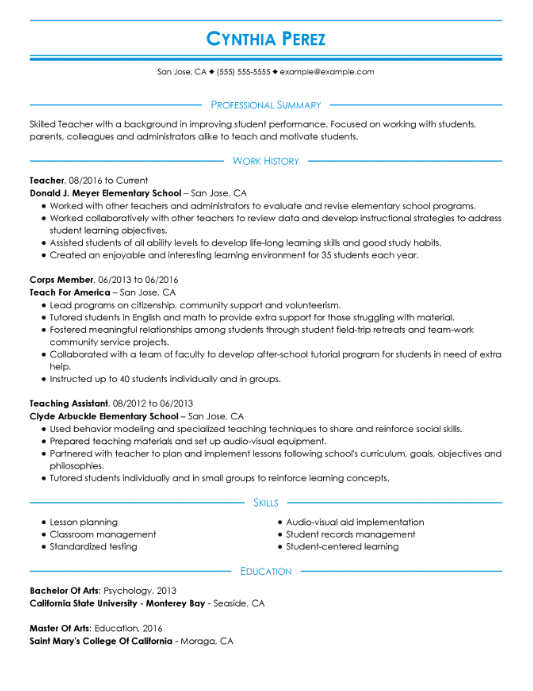
For chronological resume templates, visit JobHero.
Functional resumes are an excellent style if you’re a first-time job applicant. Instead of focusing on work history and experience, this resume highlights your skills and the situations when you applied them, so even if you haven’t worked in the field, employers can see how you’ve applied the skills needed for that position. One downside of this resume style is employers may think you’re excluding details about your past jobs since there isn’t a detailed work history. However, if you’re a recent graduate, this is something employers will typically understand.
Here is how you can lay out a functional resume:
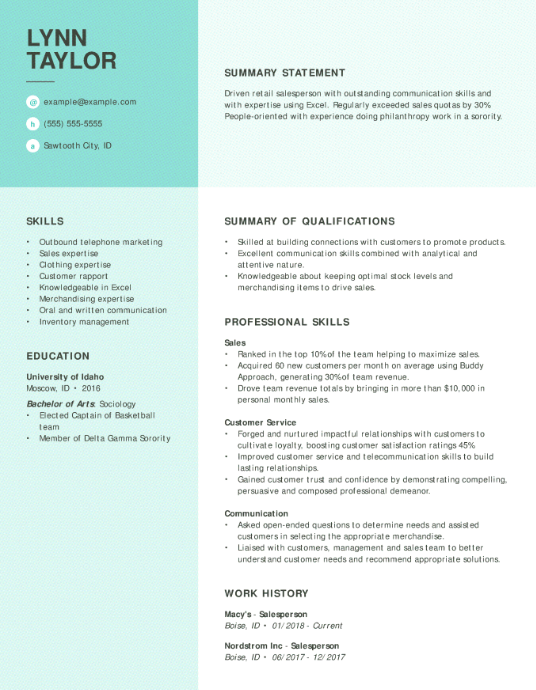
For functional resume templates, you can also visit JobHero.
Now you’ve written a stellar resume, highlighted all your key skills and officially applied for the position. What’s the next step?
In most cases, it’s acceptable to send a follow-up email after five to 10 business days. If you have a specific contact at the company, even better. Express your interest and that you’re looking forward to discussing the opportunity further. If you didn’t apply to a direct contact, you may want to wait a little longer before reaching out. Remember—the hiring process takes time and a little patience goes a long way.
Crafting your resume can seem like a daunting task but these templates are a great place to start. If you’d like advice on resume building or interview prep, our Career Services team can help you get started!

In This Article

An education in business is one of the most versatile schooling options. Students who attend a school of business go on to have rewarding careers in any number of fields, such as accounting, marketing, sales, or consulting. Completing the program online allows for the added...

Are you someone who loves bringing people together and event planning? If you always find yourself hosting gatherings at your house or organizing events just for fun, consider starting a career as an Event Planner. The next three years present a great window to launch...

Business school graduates are known to be some of the top earners in Canada. According to the Bank of Canada, post-secondary education can lead to higher pay in any field. Pursuing a job in business is an exciting endeavor, but it all starts with choosing...
Once you take the first step, one of our Student Admissions Advisors will get in touch to better understand your goals for the future.
Apply Now